
How to Auto-Reply to Instagram Comments: Simple Examples
Learn how to auto-reply to Instagram comments with keyword triggers, public replies, private DMs, examples, testing, and a practical safety checklist.
What auto-reply to Instagram comments actually means
Auto-reply to Instagram comments is a workflow that watches your posts and Reels for specific keywords, then either replies publicly in the thread, sends a private DM to the commenter, or both. It runs on the official Instagram Graph API through a connected Professional account.
The goal is not to reply to every comment. It is to catch clear requests such as link, price, guide, or code and send the promised next step while the person is still on your post.
- Public reply keeps the thread active and social-proof visible
- A private DM lets you answer the person one-to-one
- Both fire from a single keyword trigger
The 5-step setup
Every comment auto-reply, regardless of tool, follows the same shape. Once you understand the pieces, picking keywords and copy is quick.
- 1. Connect an Instagram Professional account linked to a Facebook Page
- 2. Pick the post or Reel (or apply to all posts) that should listen
- 3. Choose trigger keywords — exact match, contains, or any comment
- 4. Write the public reply and the DM follow-up
- 5. Turn the flow on and monitor the first 24 hours of replies
Keyword examples that actually convert
Short, one-word triggers are easier to remember than long phrases. Tell people exactly what word to comment in your caption.
- "LINK" — send the product or landing page URL
- "GUIDE" — deliver a free PDF or resource
- "PRICE" — send pricing tiers plus a booking link
- "CODE" — share a discount code and store link
- "WAITLIST" — capture email and confirm the signup
Copy examples you can steal
Keep the public reply short and human. Keep the DM specific and action-oriented. Both should sound like you wrote them at 9pm from your couch, not from a bot.
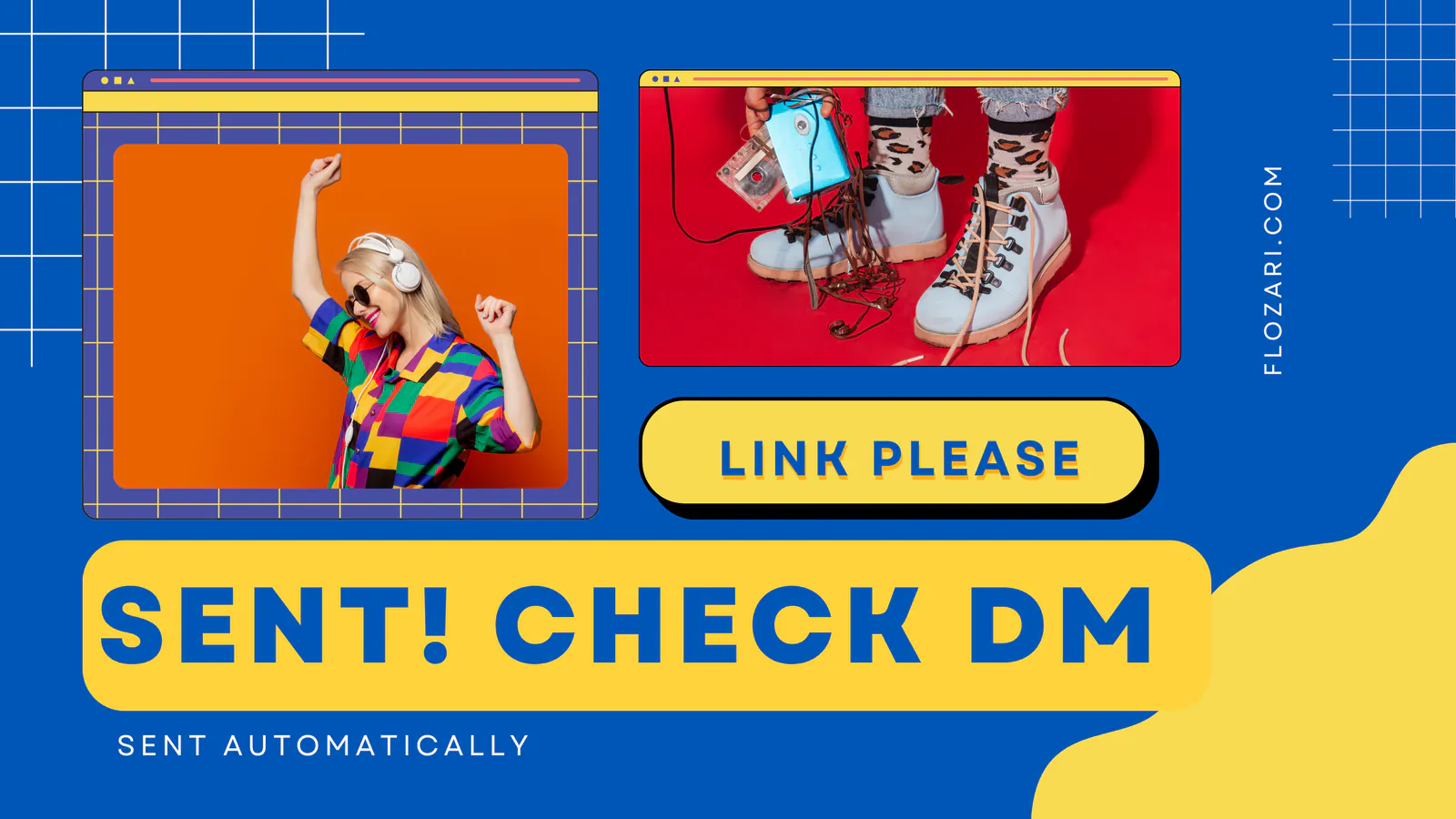
- Public: "Sent! Check your DMs 💌"
- DM (link): "Here's the link you asked about 👇 [URL] — let me know if you have questions!"
- DM (guide): "Thanks for commenting! Here's the free guide: [URL]. Reply GUIDE2 if you want the follow-up checklist too."
- DM (price): "Happy to help! Plans start at $X. Want me to send a quick 15-min booking link?"
Mistakes that get comment automations flagged
Instagram's API is generous, but it enforces a few real limits. The fastest way to get rate-limited or lose reach is to ignore them.
- Sending the same DM to every commenter within seconds — vary the copy or add a delay
- Auto-DMing users who never opted in via a keyword — this breaks Meta's messaging policy
- Replying publicly with a link every time — mix in link-free public replies
- Forgetting the 24-hour messaging window — after 24h, you can only send within a Meta-approved tag
When to add AI on top of keywords
Keywords cover the 80% of comments that follow a predictable pattern. AI-generated replies are useful for the long tail — questions like "does this ship to Canada?" or "is this good for beginners?" where a fixed template would sound off.
The strongest setups use keyword triggers for the money moments (link, price, code) and route everything else through an AI reply grounded in your knowledge base.
Keep public replies useful without moving the whole answer into comments
A public reply can acknowledge the comment and make the private handoff feel intentional. It should not expose personal details, repeat a long sales message, or create pressure for the commenter. A short confirmation is usually enough: let them know the requested information is on its way.
If several keywords are active on one post, test them for collisions. A word that appears in ordinary conversation can trigger the wrong workflow and make a helpful system feel confusing.
- Use a brief public acknowledgement that matches the tone of the post
- Reserve broad everyday words for campaigns where accidental triggers are unlikely
- Review unmatched and incorrectly matched comments after a post performs well
Is Instagram comment auto-reply allowed?
Instagram comment automation is not the same as running an unofficial bot that signs in as a user or scrapes the platform. Use a provider that connects through Meta's supported business tools and APIs, follow the permissions granted to the connected account, and keep each workflow within the messaging features Meta currently allows.
No tool can promise that automation carries zero account risk. Platform rules and API capabilities change, and spammy behaviour can create a poor user experience even when a feature is technically available. Review Meta's current terms, send only relevant replies triggered by a real interaction, and give people a clear way to stop or reach a human.
- Use supported Meta integrations instead of password-sharing or scraping tools
- Reply to an action the person actually took, such as a relevant comment
- Avoid repetitive, misleading, or unsolicited message patterns
- Recheck current Meta documentation before launching a high-volume campaign
Test the complete comment-to-reply path before publishing
Use a test account to leave the exact keyword, a mixed-case version, and a comment that should not match. Confirm the public reply, private DM, buttons, links, delays, and handoff path. Then test again on a phone, where truncation and unclear button labels are easier to notice.
After the post is live, review early conversations before volume increases. Look for accidental keyword matches, repeated sends, questions the flow does not answer, and people who need support rather than a campaign message. Small corrections made early protect both conversion quality and audience trust.
- Expected match: the intended keyword starts the correct workflow
- Near miss: unrelated wording does not trigger the automation
- Failure path: missing data or a broken link produces a useful fallback
- Human path: complex questions can reach the right person
Key takeaways
- One keyword, one clear offer — don't overload a trigger.
- Deliver value in the public reply and the DM, not just one.
- Vary copy and respect Meta's opt-in and 24h messaging rules.
- Layer AI on top of keywords for the long-tail questions.
Quick answers
Frequently asked questions
What auto-reply to Instagram comments actually means?
Auto-reply to Instagram comments is a workflow that watches your posts and Reels for specific keywords, then either replies publicly in the thread, sends a private DM to the commenter, or both. It runs on the official Instagram Graph API through a connected Professional account. The goal is not to reply to every comment. It is to catch clear requests such as link, price, guide, or code and send the promised next step while the person is still on your post.
What should you know about “The 5-step setup”?
Every comment auto-reply, regardless of tool, follows the same shape. Once you understand the pieces, picking keywords and copy is quick.
What should you know about “Keyword examples that actually convert”?
Short, one-word triggers are easier to remember than long phrases. Tell people exactly what word to comment in your caption.
What should you know about “Copy examples you can steal”?
Keep the public reply short and human. Keep the DM specific and action-oriented. Both should sound like you wrote them at 9pm from your couch, not from a bot.
What should you know about “Mistakes that get comment automations flagged”?
Instagram's API is generous, but it enforces a few real limits. The fastest way to get rate-limited or lose reach is to ignore them.
Put this guide into practice
Build a faster Instagram conversation workflow with Flozari.
Start automating with FlozariContinue reading
More Instagram automation guides

5–6 min read
10,000 Conversations. One Person. Impossible? Not Anymore.
Read article
4 min read
Built to Convert Conversations into Customers
Read article
5 min read